Posted by Bethan Bithell on Jun 24, 2026
If you're new to gamekeeping, one of the first questions you'll ask is what clothing you actually need. A gamekeeper's day can involve feeding birds, repairing pens, checking woodland, controlling predators, working with dogs, and spending hours outdoors in all weather conditions.
The right gamekeeper clothing helps you stay dry, comfortable and mobile throughout the day. Good clothing also lasts longer when faced with mud, brambles, wet grass and daily estate work.
In this guide, we'll look at the essential clothing and footwear many gamekeepers rely on throughout the year, along with practical tips on choosing the right gear for the job.
What Clothing Does a Gamekeeper Need?
A gamekeeper's day can start before sunrise and finish after dark. Feeding birds, checking pens, maintaining woodland, repairing fences and supporting shoot days all place different demands on clothing and footwear. For this reason, most experienced gamekeepers build a wardrobe that can adapt to changing weather and working conditions throughout the year.
A typical gamekeeper's wardrobe usually includes:
-
Waterproof jacket
-
Durable trousers or breeks
-
Waterproof boots or wellingtons
-
Warm fleece or gilet
-
Base layers for colder weather
-
Gloves and hat
-
Waterproof overtrousers for heavy rain
The exact clothing needed will depend on the season, the type of ground you're working on and how much walking is involved.
Choosing the Right Gamekeeper Jacket
A waterproof jacket is often the hardest-working item in a gamekeeper's wardrobe. It needs to keep out prolonged rain while remaining comfortable enough for active outdoor work.
When choosing a gamekeeper jacket, look for:
-
Waterproof and breathable fabrics
-
Reinforced shoulders and elbows
-
Plenty of storage pockets
-
Adjustable hood and cuffs
-
Quiet outer fabrics suitable for shooting
Many gamekeepers prefer jackets designed for shooting and field sports because they combine weather protection with practical features such as cartridge pockets and large storage compartments.
Recommended Gamekeeper Jackets
| Image | Product | Best For | Key Features |
|---|---|---|---|
 |
Deerhunter Eagle Jacket | Gamekeepers needing a durable waterproof jacket for estate work, pest control and shoot days. |
|
 |
Hoggs of Fife Green King II Waterproof Jacket | Daily gamekeeping, farming and outdoor work in wet weather. |
|
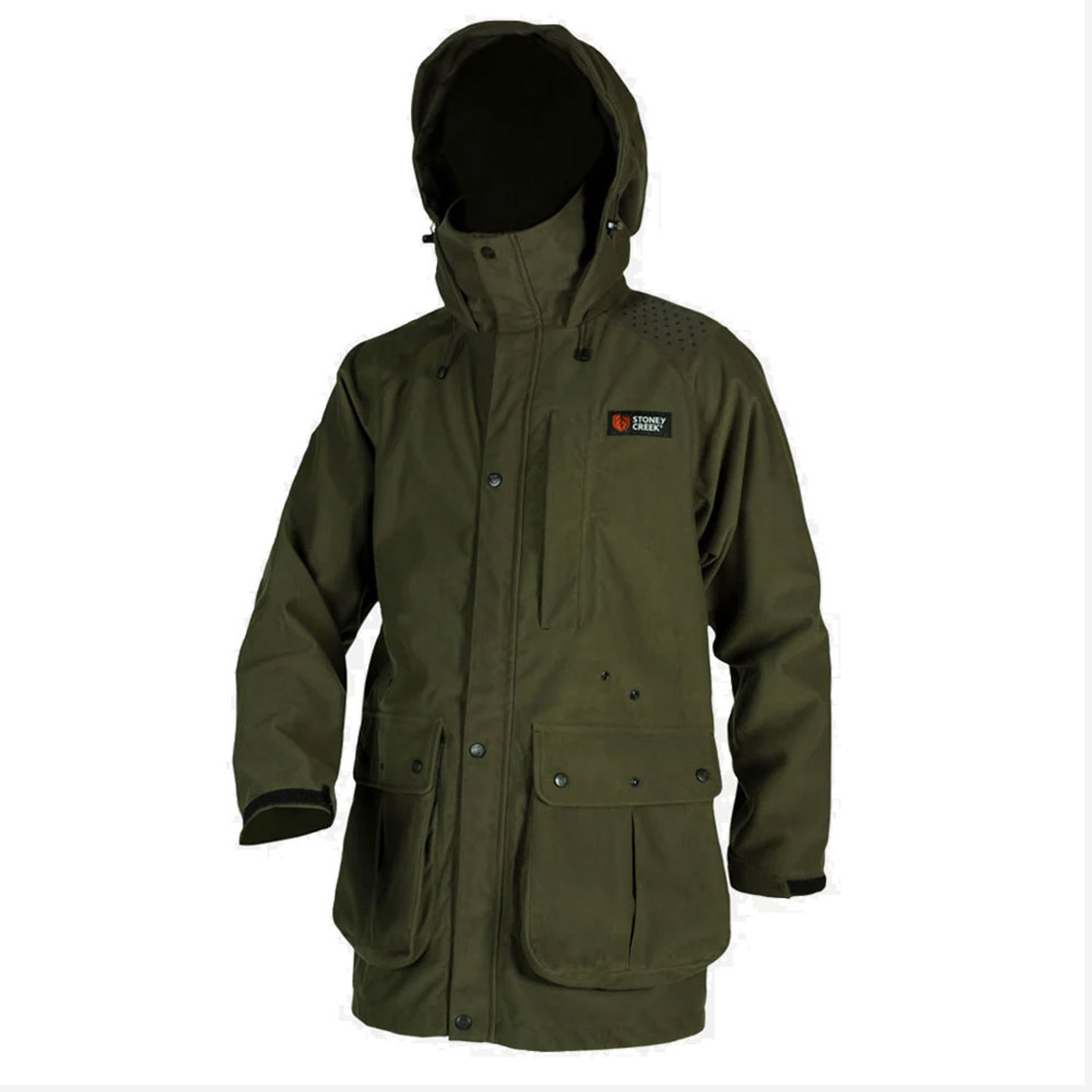 |
Stoney Creek Suppressor Jacket | Professional gamekeepers working in challenging weather and rough terrain. |
|
A quality jacket may cost more initially, but it will usually prove cheaper over time than replacing cheaper waterproofs every season.
Gamekeeper Boots vs Wellies
One of the most common questions new gamekeepers ask is whether they should wear boots or wellingtons.
The answer depends on the job.
When Boots Are Better
Leather walking and field boots are often preferred when:
-
Covering long distances
-
Working on hills and uneven ground
-
Walking woodland tracks
-
Carrying equipment
-
Spending long hours on your feet
Many experienced gamekeepers choose waterproof shooting boots because they offer better ankle support and are generally more comfortable for all-day wear.
When Wellies Are Better
Wellington boots still have an important role.
They are often the better choice when:
-
Working in deep mud
-
Cleaning pens
-
Walking through flooded ground
-
Carrying out short jobs around the estate
Many gamekeepers keep a pair of shooting wellington boots available for particularly wet conditions.
Recommended Gamekeeper Footwear
| Image | Product | Best For | Key Features |
|---|---|---|---|
 |
Grisport Gamekeeper Boot | Gamekeepers covering long distances across estates, woodland and rough countryside. |
|
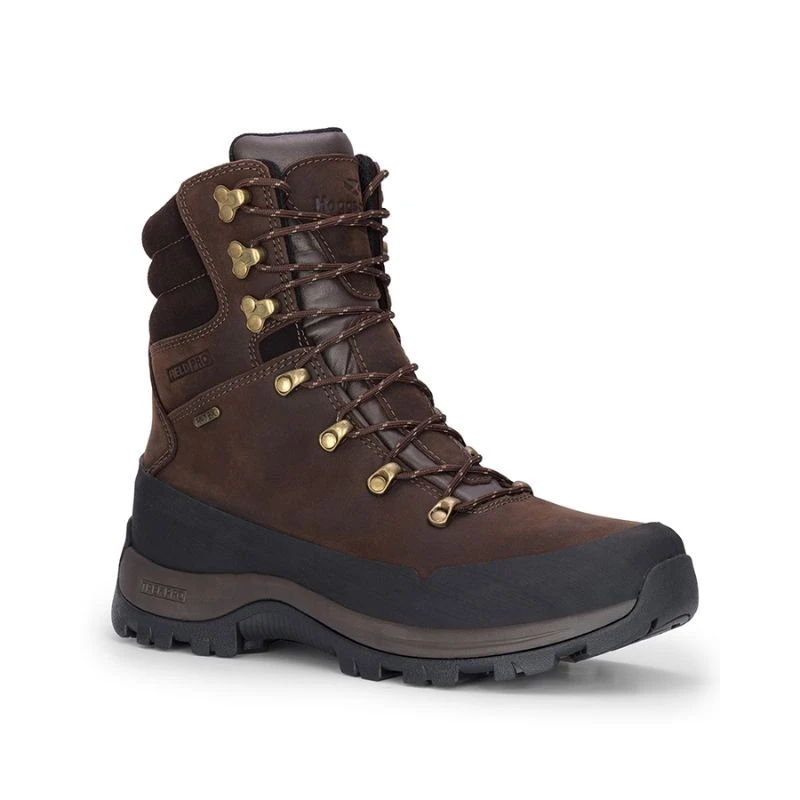 |
Hoggs of Fife Orchy Waterproof Field Boot | Gamekeepers looking for a practical field boot for shoot days, estate maintenance and everyday outdoor work. |
|
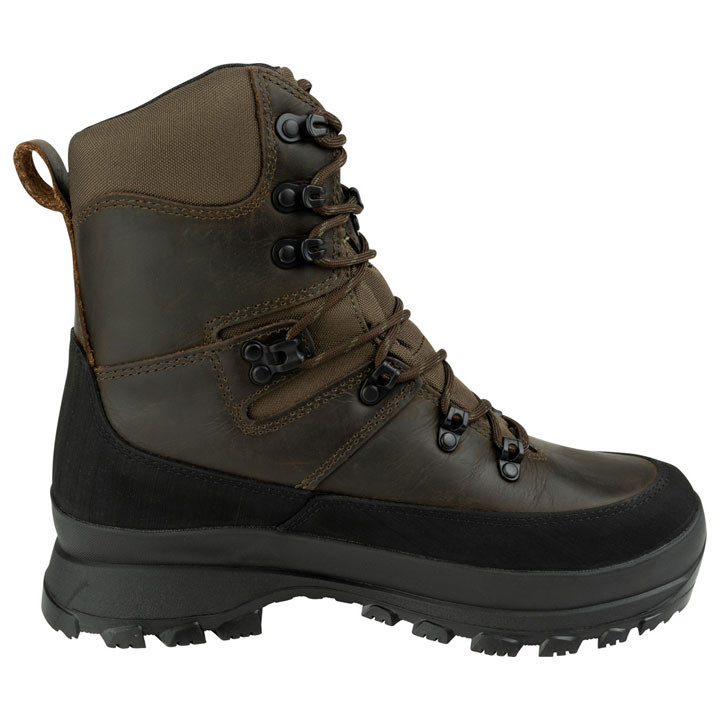 |
Jack Pyke Field Boots | Gamekeepers needing reliable waterproof footwear for wet ground, woodland and general estate duties. |
|
Recommended Gamekeeper Wellington Boots
| Image | Product | Best For | Key Features |
|---|---|---|---|
 |
Hoggs of Fife Field Sport Neoprene Lined Wellington Boots | Gamekeepers working in muddy pens, wet woodland and cold winter conditions. |
|
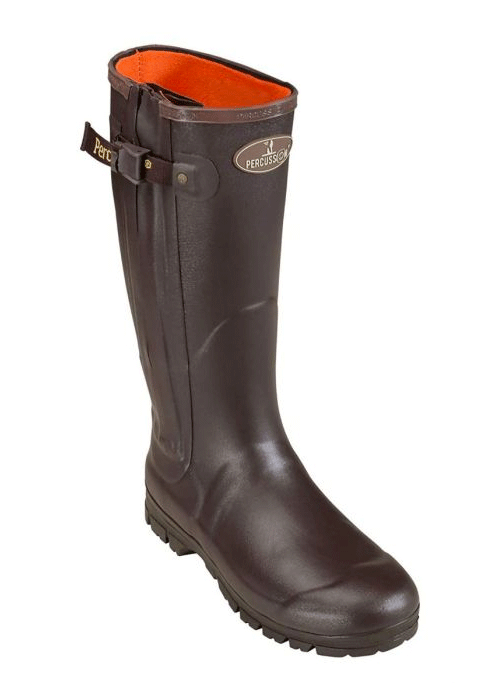 |
Percussion Rambouillet Full Zip Wellington Boots | Gamekeepers who frequently put on and remove wellingtons throughout the working day. |
|
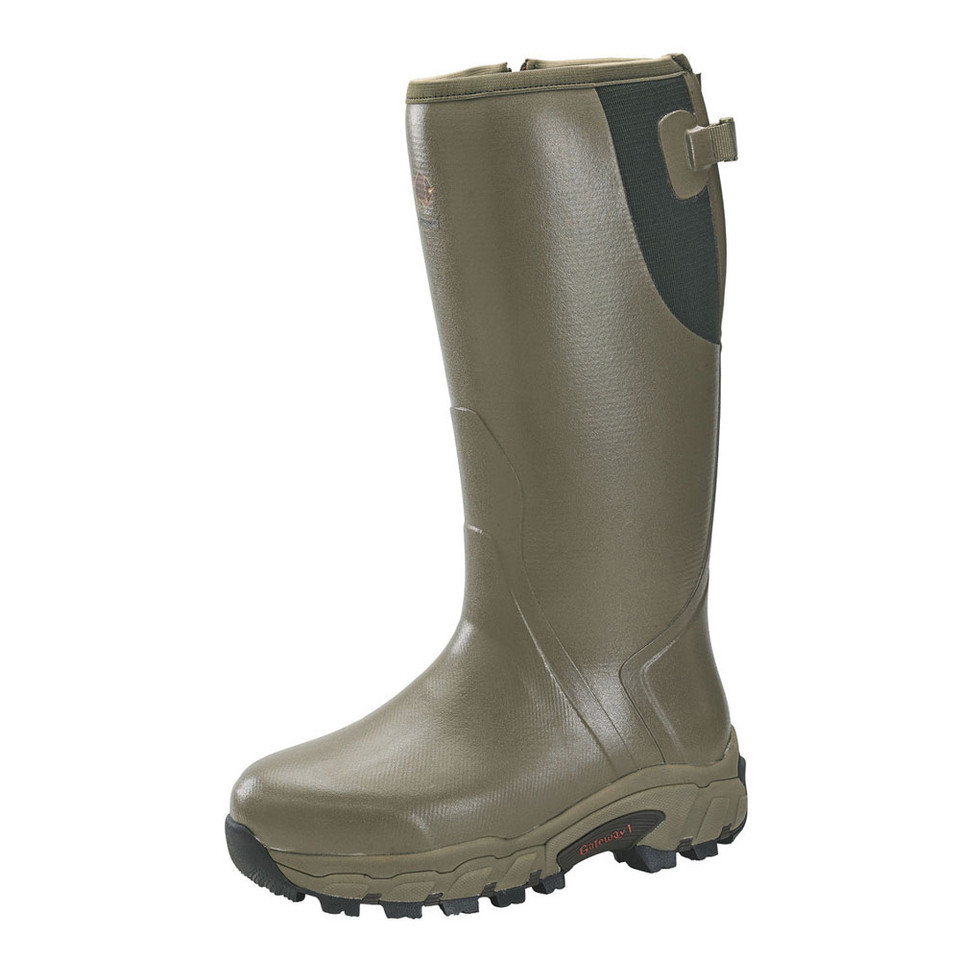 |
Gateway1 Pro Shooter Wellington Boot | Professional gamekeepers needing premium comfort and support for long days on their feet. |
|
Gamekeeper Trousers and Breeks
Gamekeeping can be hard on clothing. Walking through brambles, climbing fences and working in rough cover quickly exposes weaknesses in poor-quality trousers.
Look for:
-
Tough fabrics
-
Water-resistant finishes
-
Reinforced panels
-
Practical pockets
-
Freedom of movement
For formal shoot days, some gamekeepers may wear breeks, while everyday estate work usually calls for durable field trousers.
Recommended Trousers & Breeks
| Image | Product | Best For | Key Features |
|---|---|---|---|
 |
Hoggs of Fife Durness Moleskin Breeks | Traditional gamekeeping duties, estate work and formal shoot days. |
|
 |
Game Derby Tweed Breeks | Formal shooting estates, driven shoots and traditional countryside events. |
|
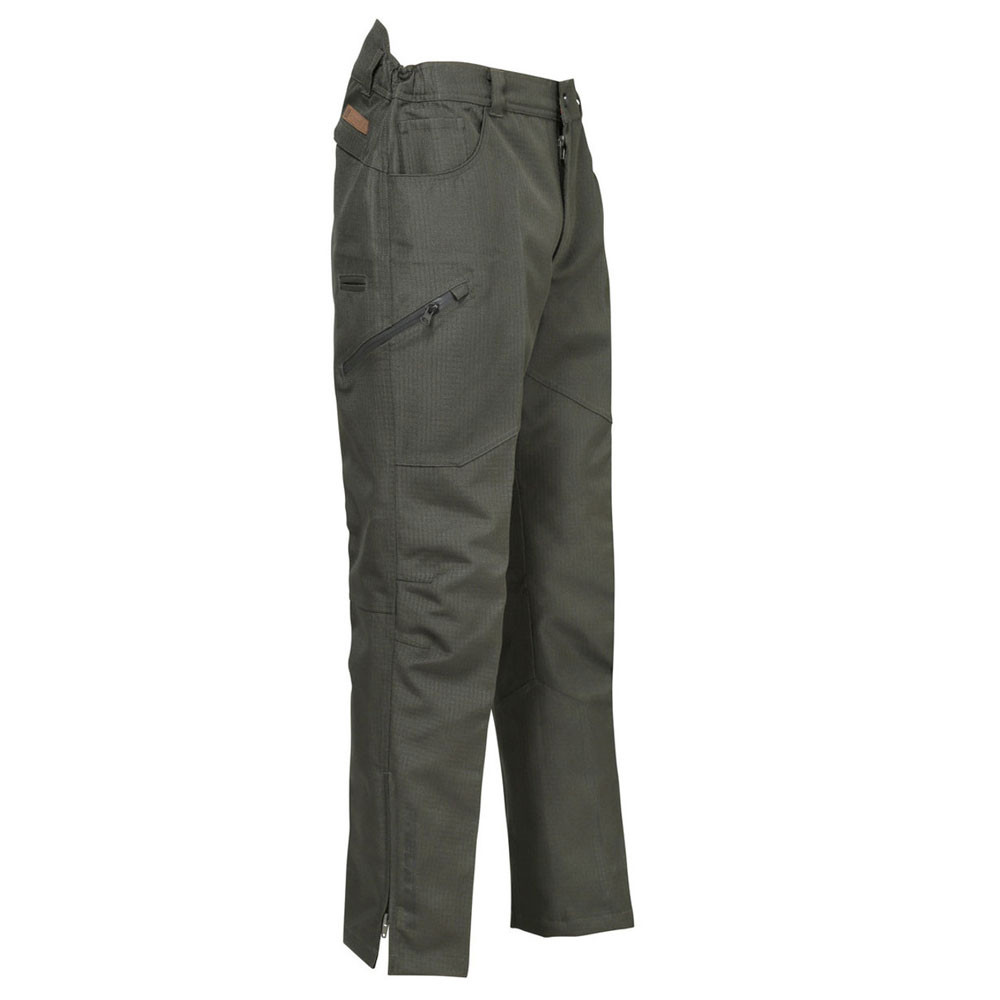 |
Percussion Predator R2 Trousers | Everyday gamekeeping, estate maintenance and working through rough cover. |
|
 |
Game Aston Pro Waterproof Trousers | Wet weather estate work, feeding rounds and prolonged outdoor use in rain. |
|
Tweed Clothing on Traditional Shooting Estates
Not every gamekeeper wears tweed every day, but on many larger shooting estates and formal driven shoots, tweed remains an important part of the job.
Gamekeepers are often one of the most visible members of the estate team. During shoot days they may be working alongside estate managers, shoot captains, guns and paying guests. For this reason, many estates expect their staff to maintain a smart and professional appearance that reflects the traditions of British field sports.
Tweed jackets, breeks and waistcoats continue to be widely worn on formal estates because they offer several practical advantages:
- Hardwearing fabrics that cope well with daily use
- Good protection against wind and light rain
- Quiet materials when moving through woodland and cover crops
- A traditional appearance that suits formal shooting events
- Long service life when properly cared for
Many experienced gamekeepers will have two wardrobes. Everyday work often calls for waterproof jackets, practical trousers and durable boots, while formal shoot days may require tweed clothing that reflects the standards and traditions of the estate.
Typical Formal Estate Outfit
- Tweed shooting jacket
- Matching breeks or moleskin trousers
- Tattersall shirt
- Tie
- Shooting socks and garters
- Leather field boots
- Tweed cap
For gamekeepers working on prestigious estates, good-quality tweed clothing remains one of the most practical and professional choices available.
Popular Tweed Collections for Traditional Shooting Estates
Many gamekeepers working on larger sporting estates keep a dedicated tweed outfit for formal shoot days. Tweed clothing projects a professional image, stands up well to regular use and remains part of the tradition of British gamekeeping. These collections make it easy to build a coordinated estate outfit.
| Collection | Best For | Includes | View Collection |
|---|---|---|---|
| Hoggs of Fife Kingussie Tweed Collection | Gamekeepers and estate staff looking for traditional tweed clothing suitable for formal shoot days and country events. |
|
View Kingussie Tweed Collection |
| Game Ascot Tweed Collection | Traditional driven shoots, estate work and gamekeepers wanting a classic British shooting outfit. |
|
View Game Ascot Tweed Collection |
| Hoggs of Fife Ladies Eden Tweed Collection | Female gamekeepers, estate workers and countryside professionals seeking a traditional tweed outfit. |
|
View Ladies Eden Tweed Collection |
Layering for Winter Gamekeeping
Cold weather often causes more problems than rain.
A simple layering system allows you to adapt as conditions change throughout the day.
A typical winter gamekeeper clothing system may include:
-
Moisture-wicking base layer
-
Check shirt or thermal shirt
-
Fleece or jumper
-
Gilet for core warmth
-
Waterproof outer jacket
Layering allows you to add or remove clothing as activity levels change without becoming too hot or too cold.
Layering works particularly well when combined with a quality waterproof shooting jacket.
Recommended Mid Layers for Gamekeepers
| Image | Product | Best For | Key Features |
|---|---|---|---|
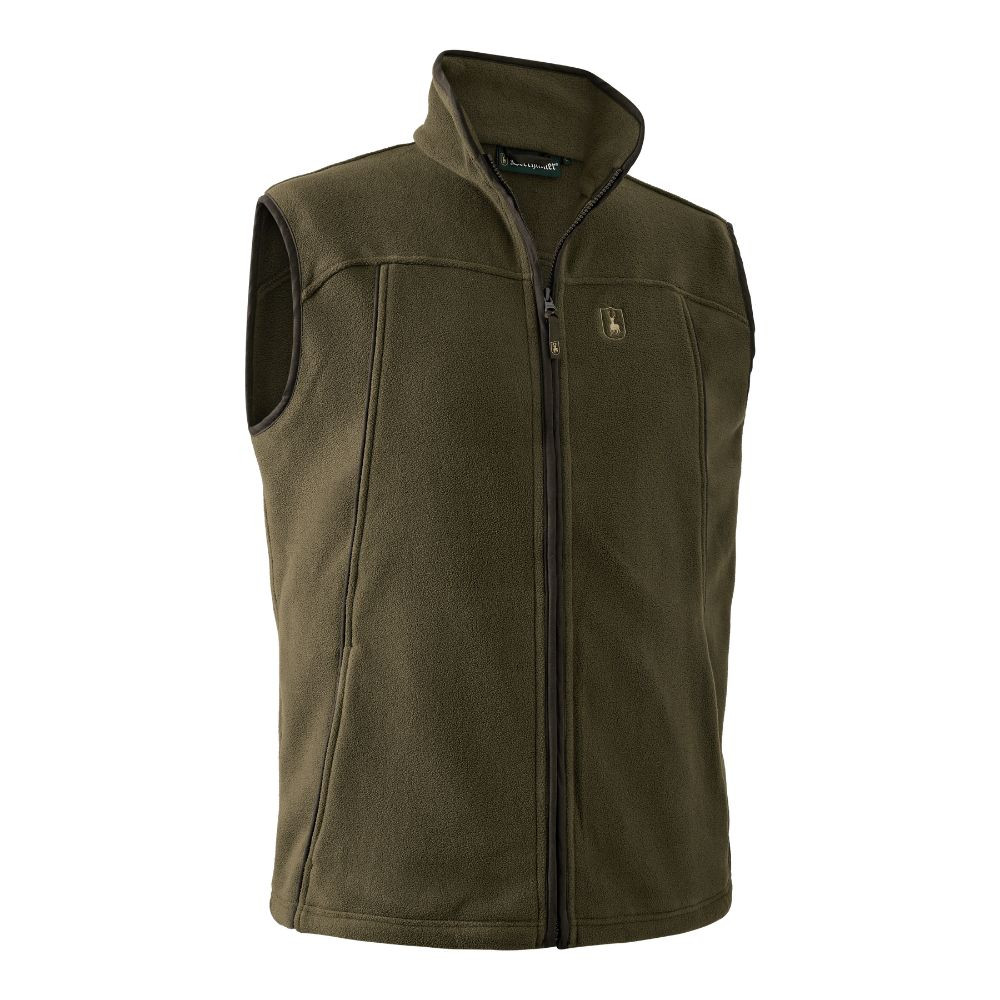 |
Deerhunter Eagle Fleece Waistcoat | Layering during active estate work when extra warmth is needed without restricting arm movement. |
|
 |
Game Ascot Derby Tweed Gilet | Formal shoot days, traditional estates and gamekeepers wanting a smart country appearance. |
|
 |
Game Alpine Fleece Smock | Cold mornings, feeding rounds and winter estate work. |
|
 |
Jack Pyke Pheasant Motif Fleece Top | Shoot days, countryside wear and adding warmth during cooler weather. |
|
Tweed remains a key part of traditional shooting clothing on many formal estates.
Example Gamekeeper Outfits
Early Season Gamekeeper Outfit
-
Lightweight waterproof jacket
-
Check shirt
-
Durable trousers
-
Waterproof leather boots
-
Cap
Winter Estate Outfit
-
Thermal base layer
-
Brushed cotton shirt
-
Fleece jacket
-
Waterproof shooting jacket
-
Insulated boots
-
Gloves and beanie
Wet Weather Outfit
-
Fully waterproof jacket
-
Waterproof overtrousers
-
Wellington boots
-
Waterproof gloves
-
Waterproof hat
Final Thoughts
Gamekeeper clothing needs to work as hard as the person wearing it. Investing in quality waterproof jackets, durable trousers and comfortable footwear can make long days outdoors far more enjoyable.
By choosing clothing designed for field sports, farming and estate work, you'll stay comfortable throughout the year while getting the durability needed for demanding outdoor conditions.
A FAQ Page from the SEO Rich Snippets App
Many gamekeepers wear waterproof leather field boots for everyday work because they provide comfort, support and durability over long distances.
Both have their place. Boots are generally better for walking and estate work, while wellies are useful in deep mud and extremely wet conditions.
Most gamekeepers choose waterproof shooting or country jackets with breathable fabrics, practical pockets and durable construction.
Tweed is often worn during formal shoot days and some estate duties, but everyday work usually requires more practical waterproof clothing.
Winter clothing typically includes thermal layers, fleeces, waterproof jackets, insulated boots and weatherproof accessories.
Many professional gamekeepers wear waterproof leather field boots for everyday estate work and keep wellington boots available for muddy conditions, pen maintenance and prolonged wet weather.
A trainee gamekeeper should focus on practical waterproof clothing, durable footwear and warm layers. Comfort and durability are usually more important than appearance during day-to-day estate work.
Recommended Gamekeeper Clothing & Footwear
Related Gamekeeping & Shooting Guides
If you're building a practical shooting or estate work outfit, these guides may also help.